Obir Dripstone Caves and the Underground Mining Experience Mežica
Due to high demand, the field trip is at full capacity.
Schedule
- 08:00 – Departure from accommodation
- 10:00 – Guided Tour of the Obir Dripstone Caves, Bad Eisenkappel (AT)
- 13:00 – Drive towards Mežica
- 14:00 – Lunch
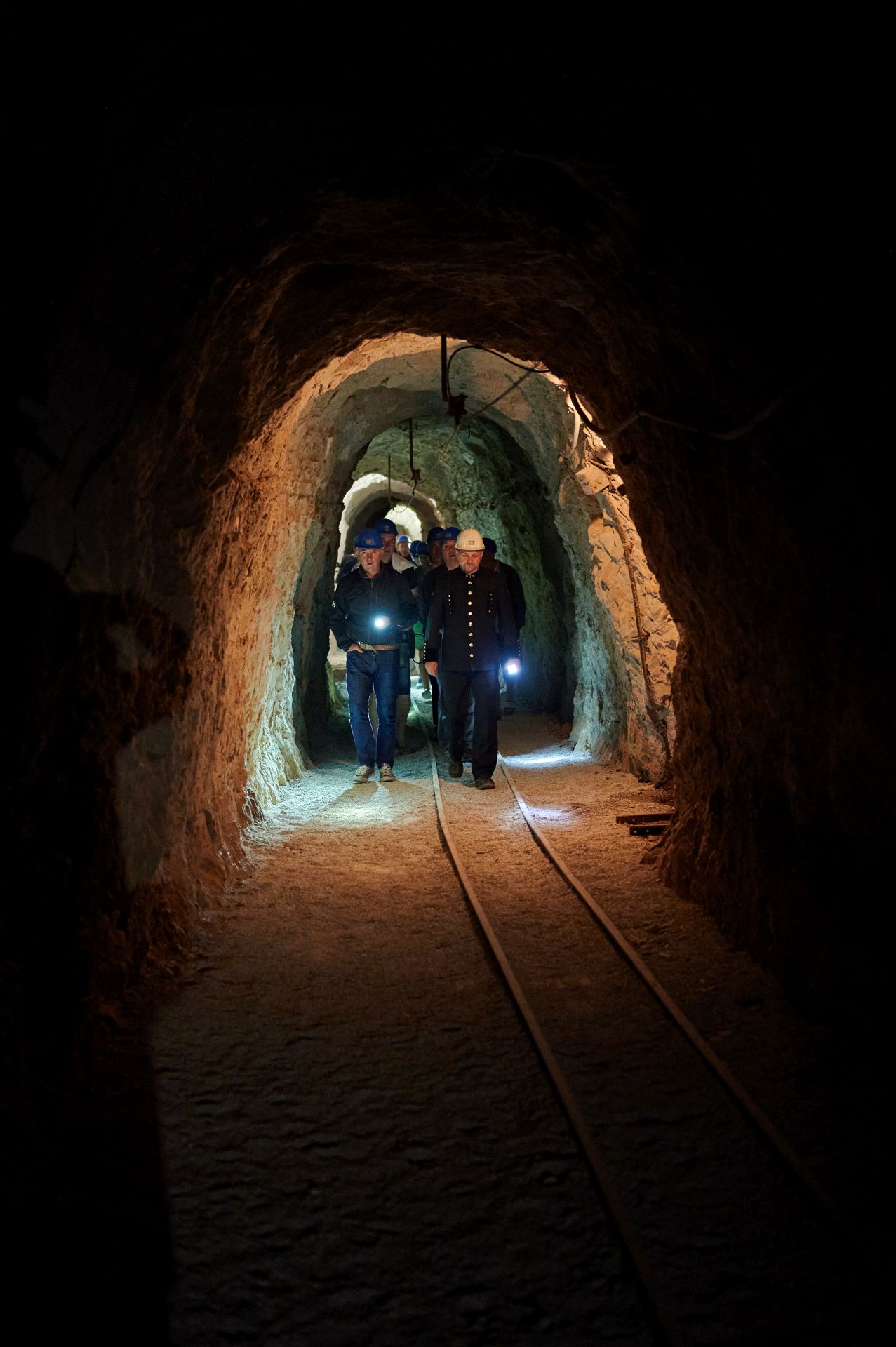
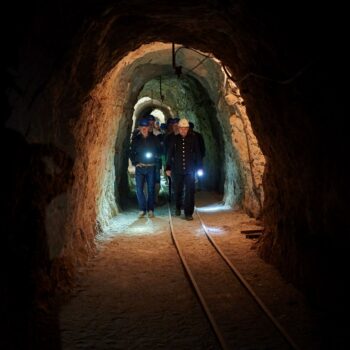
- 16:00 – Guided visit to Underground of Peca, former Lead and Zink Mine, Mežica (SI)
- 18:00 – Return to accommodation
Description
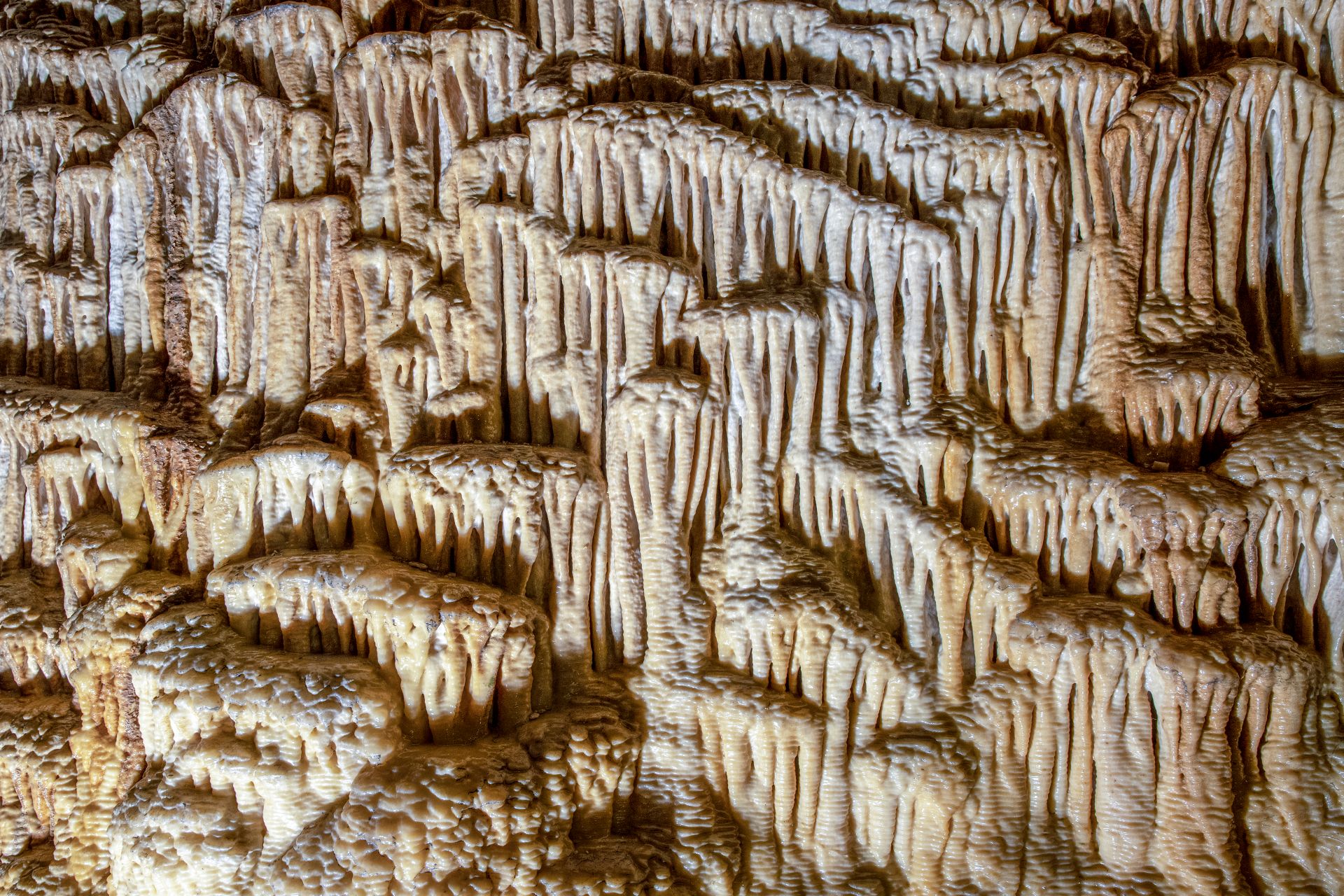
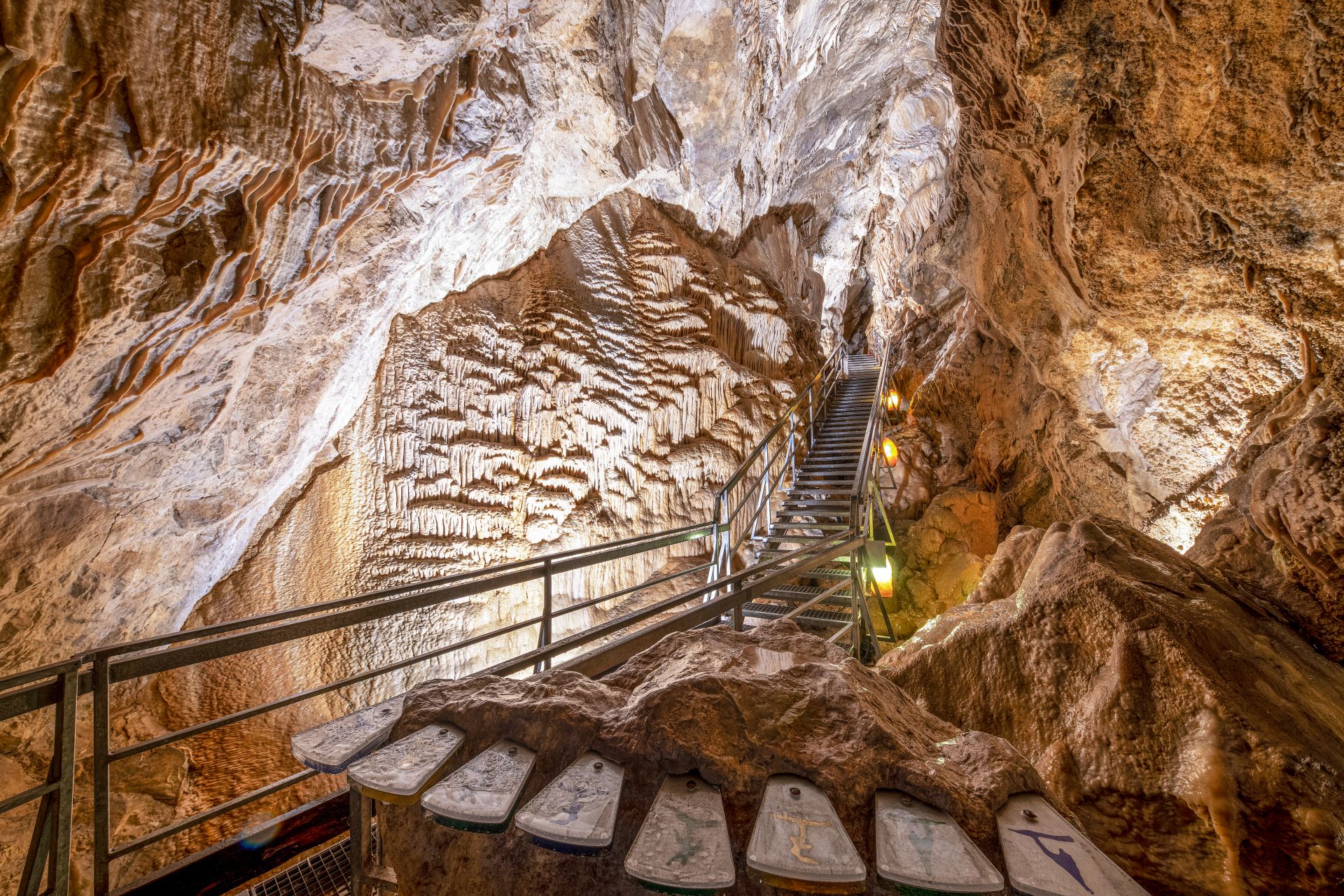
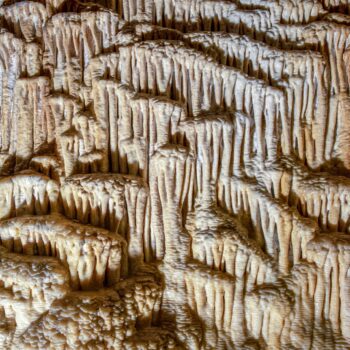
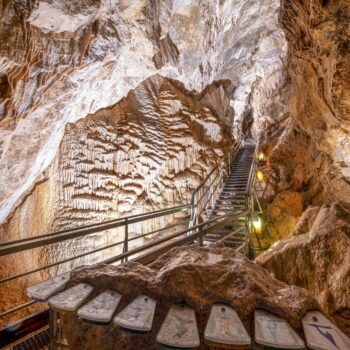
This full-day excursion offers an in-depth exploration of the exceptional underground world and geological heritage of the Karawanken-Karavanke UNESCO Global Geopark. The journey begins in Bad Eisenkappel, where participants will discover the Obir Dripstone Caves, a geological wonder showcasing the interaction between water, rock, and time. The caves took shape through karst activity within the Middle Triassic (Ladinian) Wetterstein limestone — the dominant rock of the Northern Karavanke Mountains. Over countless millennia, carbon dioxide–rich groundwater (H₂CO₃) slowly dissolved the limestone, carving out a labyrinth of chambers and winding passages. These underground halls are now lavishly adorned with delicate stalactites, towering stalagmites, and shimmering flowstone formations.
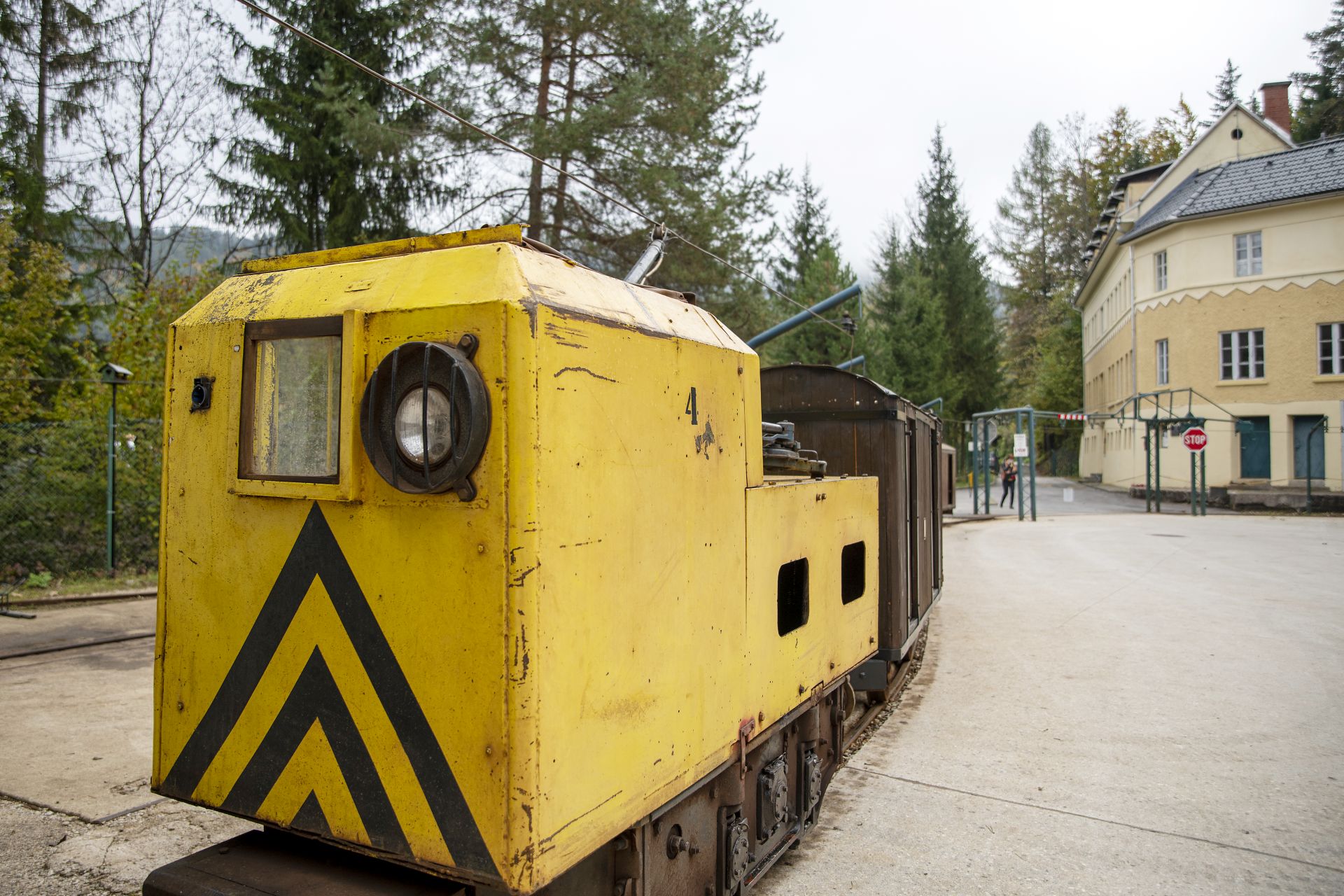
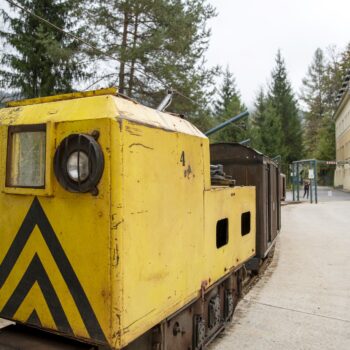
After the lunch break, the excursion continues in Mežica, where the geological story transitions from natural formation to human interaction. The Mežica Lead and Zinc ore deposits, mainly in Wetterstein Formation, belong to Middle and Upper Triassic periods. There were more than 400 ore bodies in the area of Peca/Petzen Mt., discordant vein type and concordant type. More than 20 million tonnes of ore have been mined out during 350 years long mining history, and more than 1000 km of tunnels and opened galleries, which ranks the Mežica mine among the largest metal mines in Slovenia. More than 1 million tonnes of the lead metal and 500.000 tonnes of zinc metal was produced. Main ore minerals were galena (PbS) and sphalerite (ZnS), which are followed by subordinate pyrite (cubic FeS2) and marcasite (rhombic FeS2). Oxidation of the primary sulphide mineral assemblage has caused remobilisation of ore mineral components and partly their total lost, but also the formation of very interesting secondary mineral paragenesis. As a consequence of oxidation had developed more numerous mineral assemblages from a relatively simple primary mineral assemblage of sulphide minerals. The most famous of the Peca/Petzen Mt. ore deposit is the mineral wulfenite (PbMoO4), its samples are exhibited in numerous public and private collections worldwide.
The day concludes with a return to the hotels in the early evening, followed by a free evening.
In case of heavy snow, we will not be able to reach the entrance to the Obir Dripstone Caves. In this case, we will explore the geology up close at Trögener Klamm Gorge and experience one of Europe’s highest free‑falling waterfalls at Wildensteiner Waterfall.
Main Visitor and Info Centers of the Karawanken-Karavanke UNESCO Global Geopark
Schedule
- 08:00 – Departure from accommodation
- 09:00 – Visit to Geo.Dom on the Petzen Mountain, Feistritz ob Bleiburg (AT)
- 12:00 – Lunch
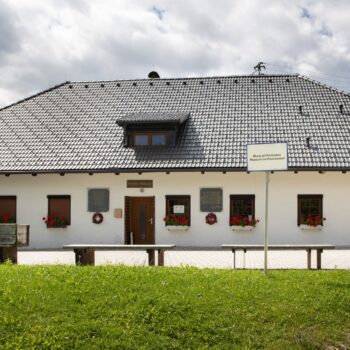
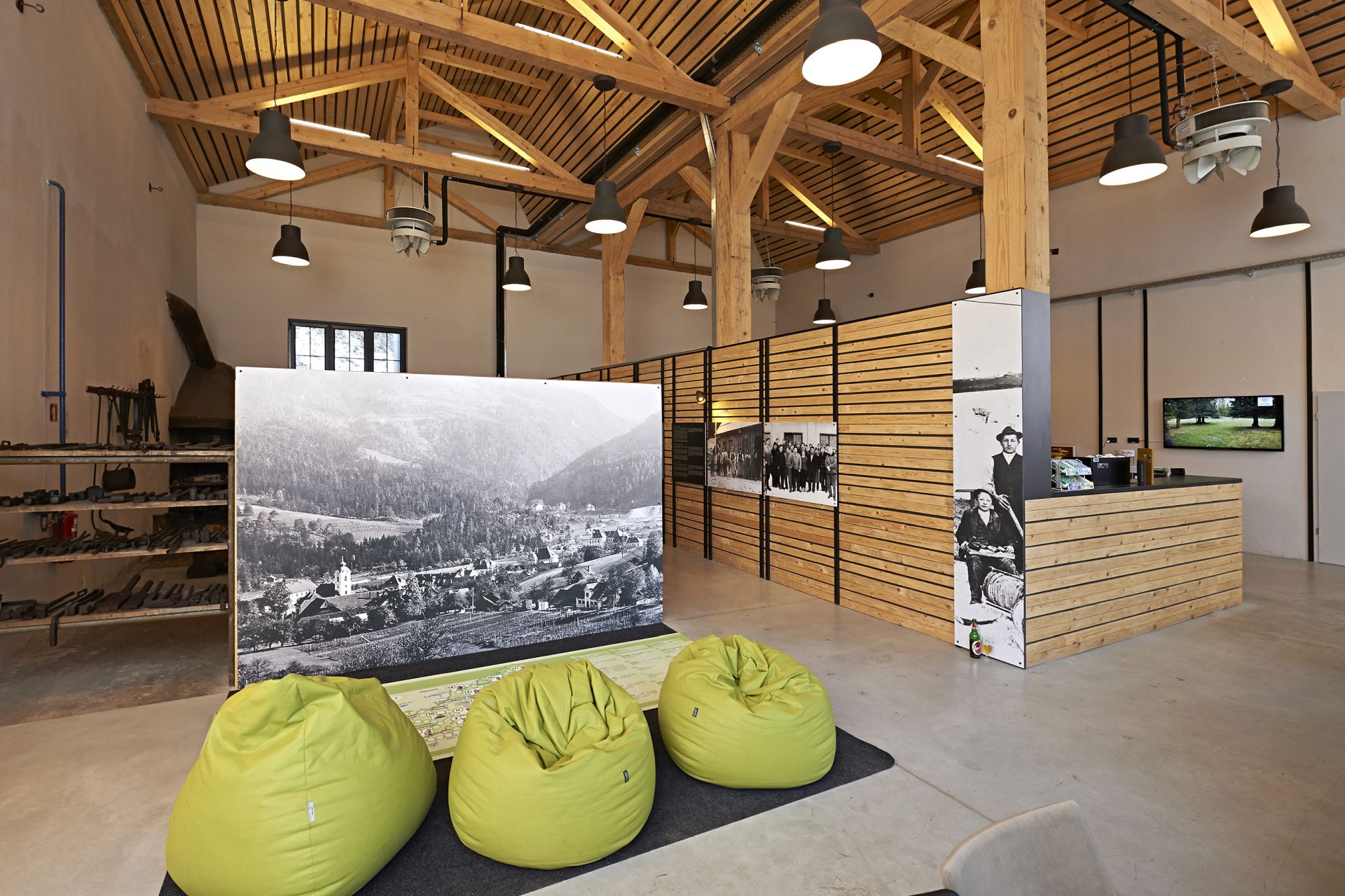
- 13:00 – Guided visit of the Lead and Zinc Mine Mežica Museum Collection, including a blacksmith demonstration in the Geopark Information Centre, where participants can observe traditional forging techniques, Mežica (SI)
- 15:00 –Visit to Geopark Information Point Castle Ravne, Ravne na Koroškem (SI)
- 16:30 – Return to accommodation
Description
This full-day excursion provides an in-depth insight into the interpretation and visitor infrastructure of the Karawanken-Karavanke UNESCO Global Geopark, highlighting its main visitor and information centers dedicated to geotourism, education, and the communication of geological heritage.
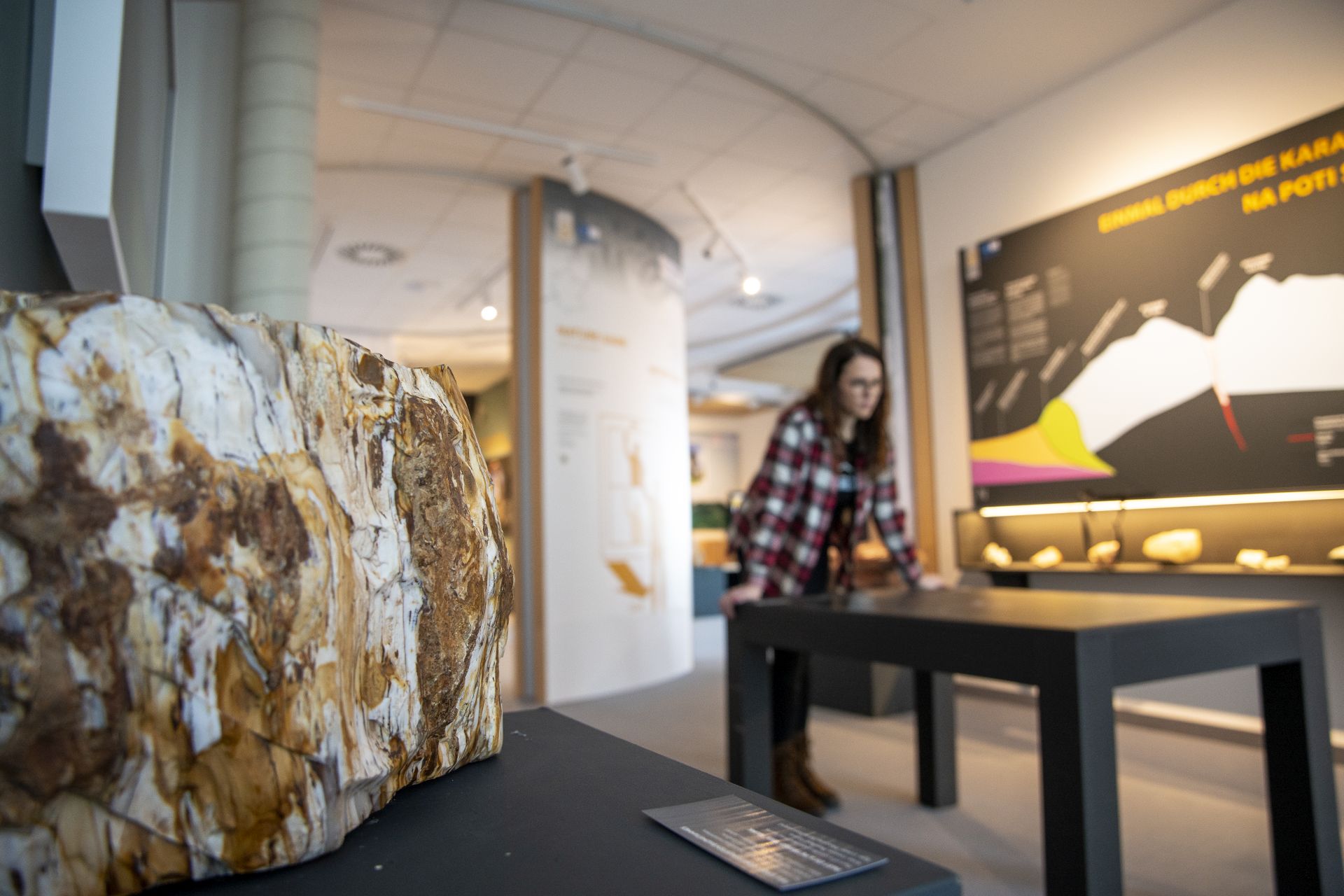
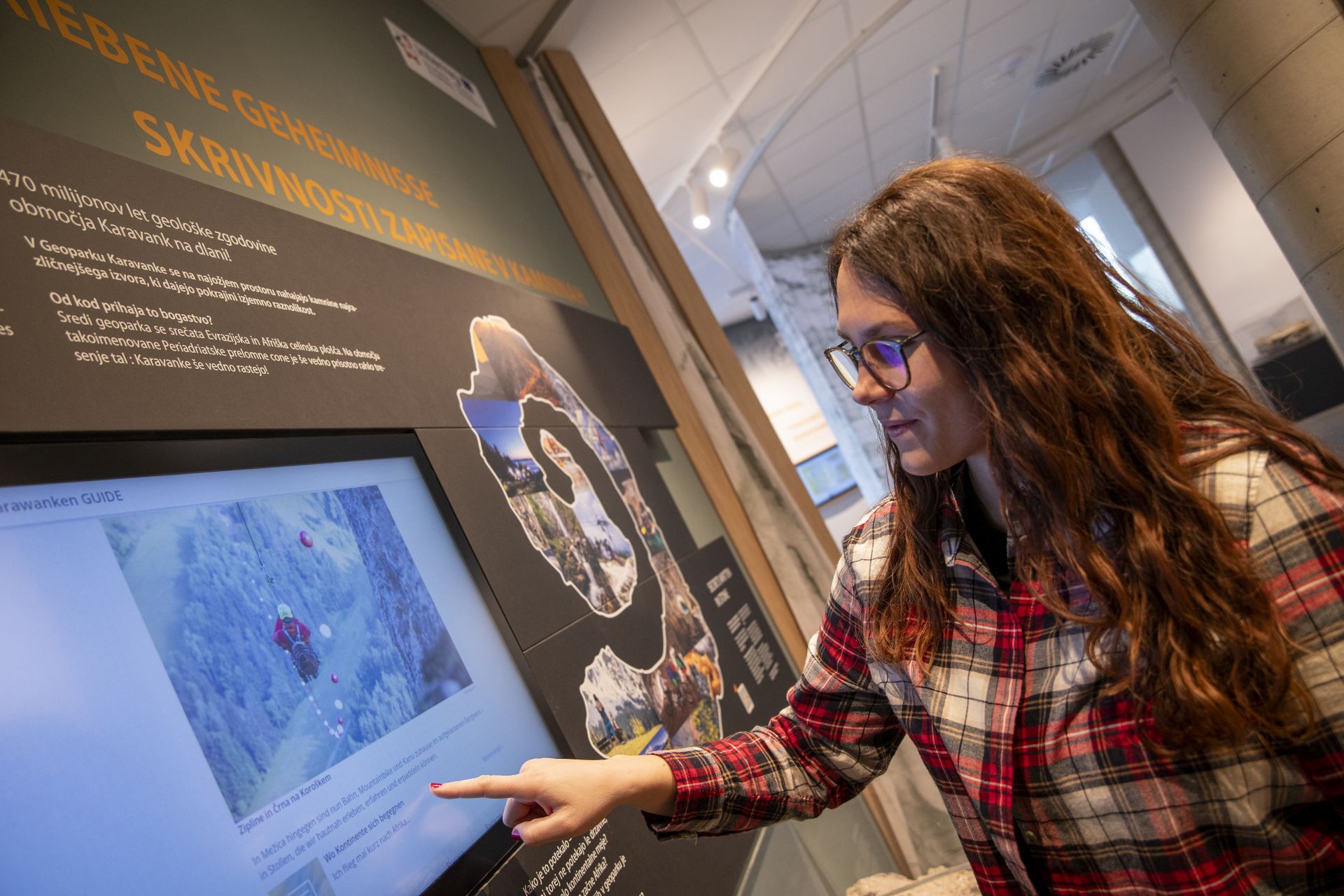
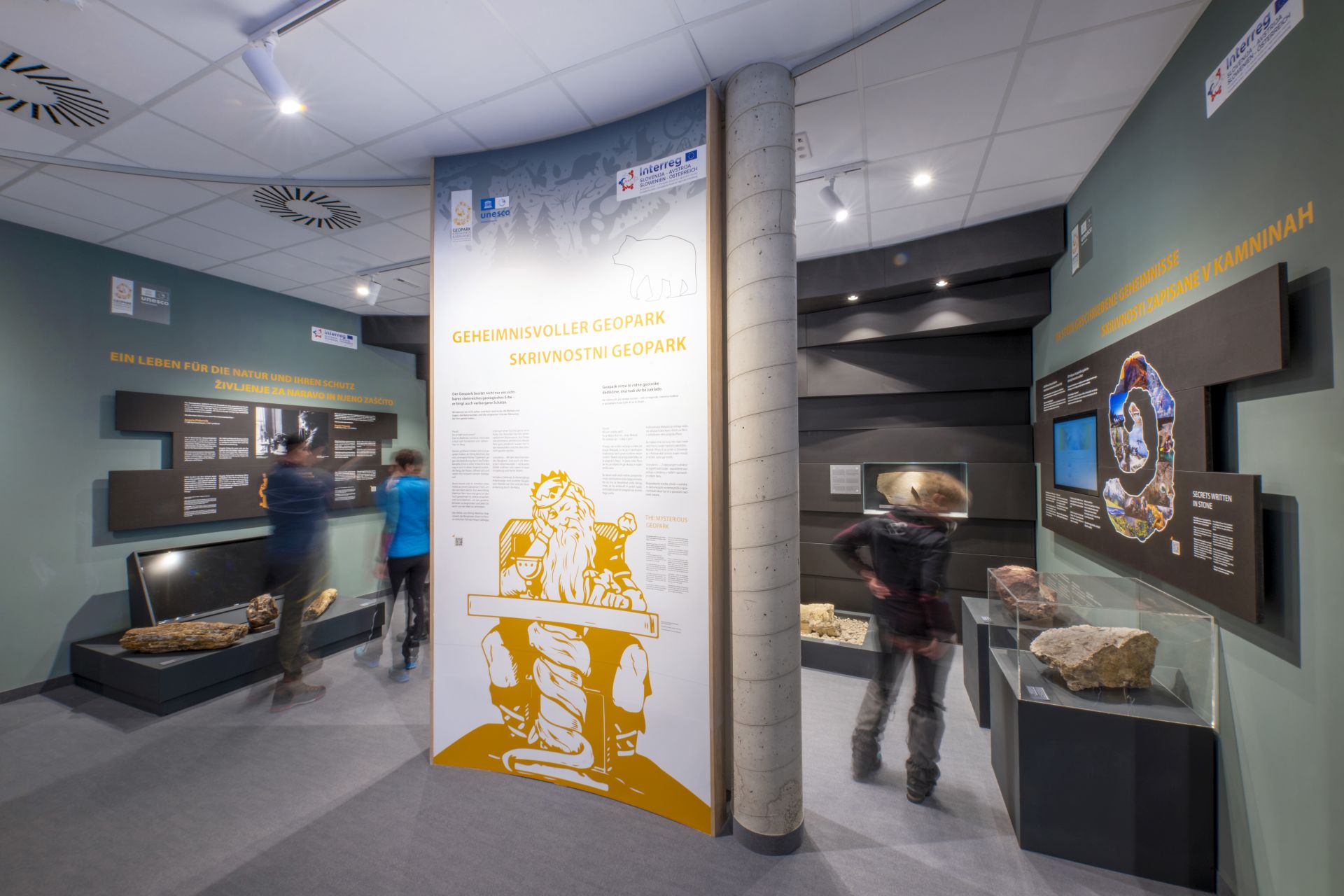
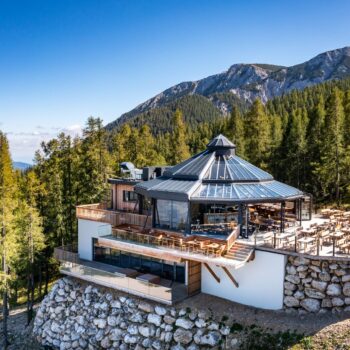
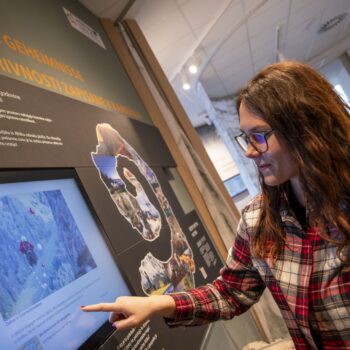
The journey begins on top of the Petzen Mountain, where our Geo.Dom serves as a central interpretation point of the Geopark, where visitors can experience the geological and natural heritage of the region through modern interactive exhibitions, multimedia content, and virtual reality presentations.
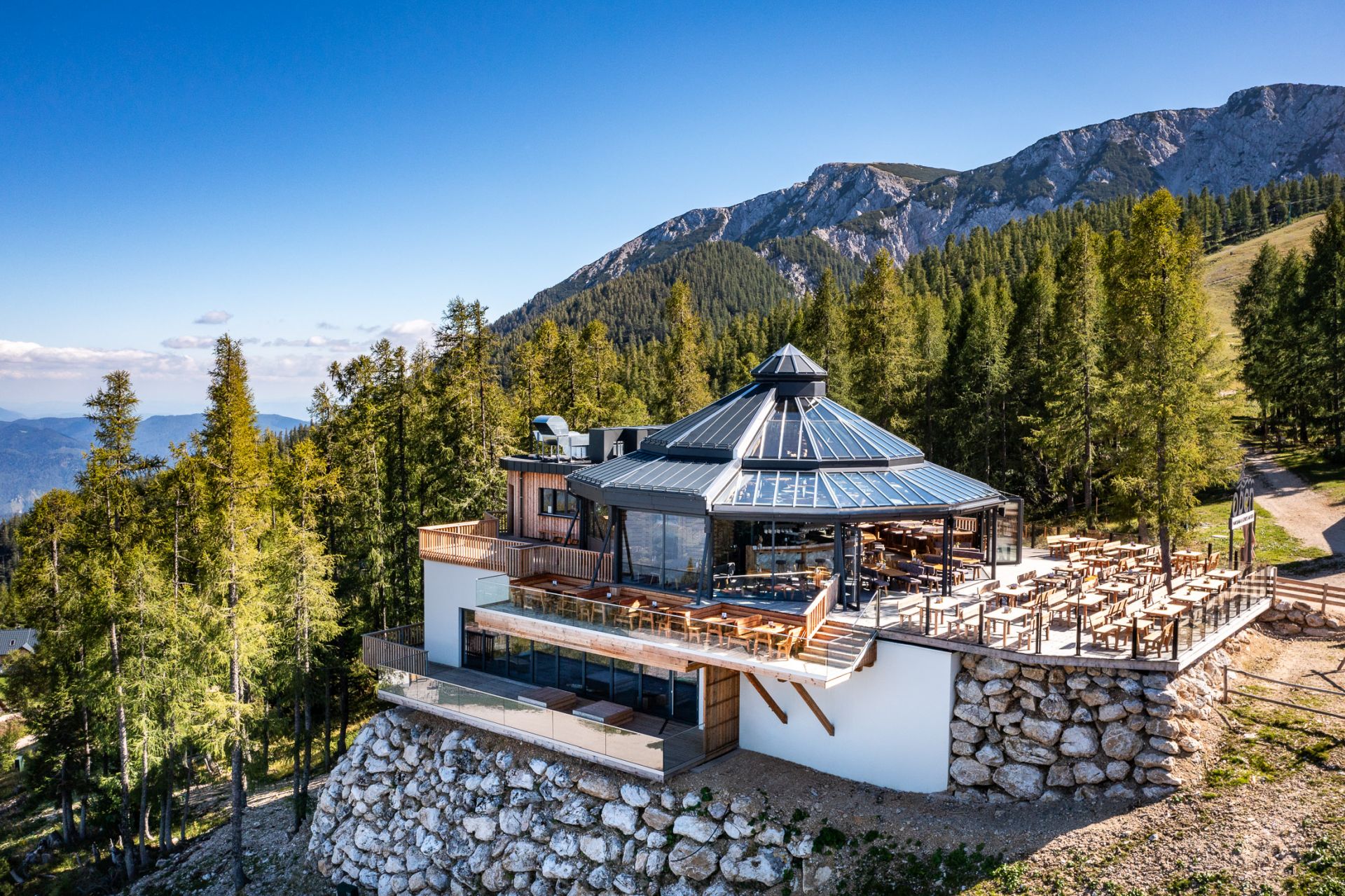
Following this, the group will enjoy lunch, on the mountain, offering a spectacular panoramic view of Southern Carinthia and the surrounding Alpine landscape.
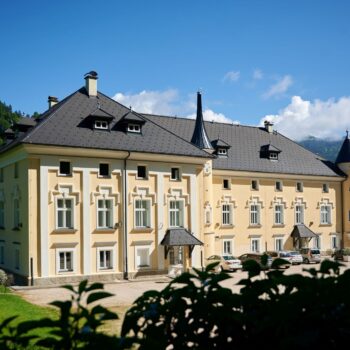
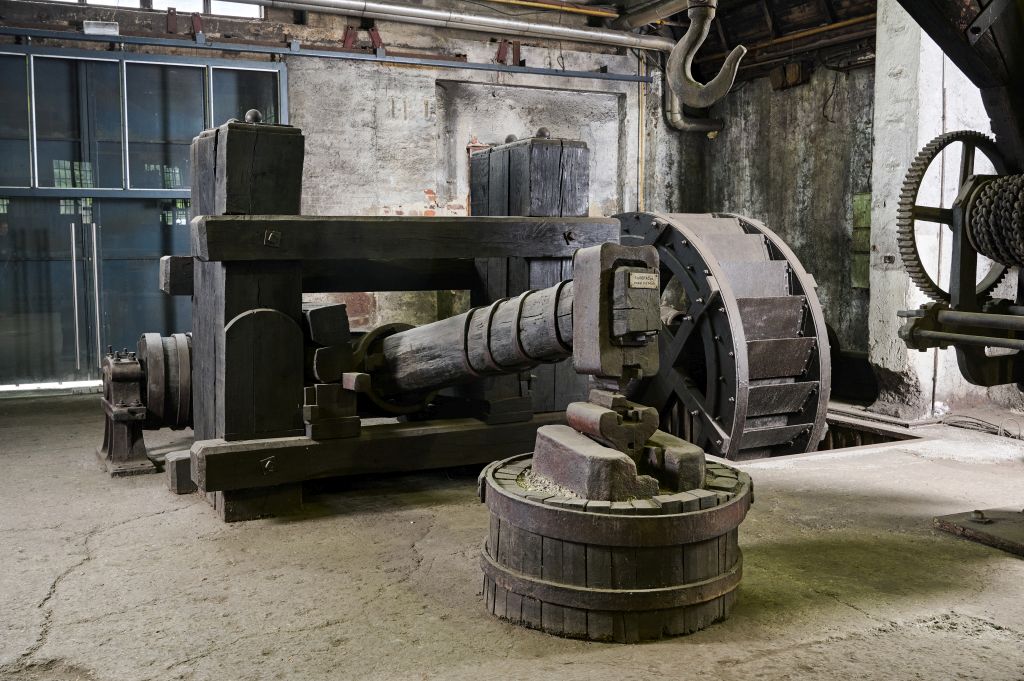
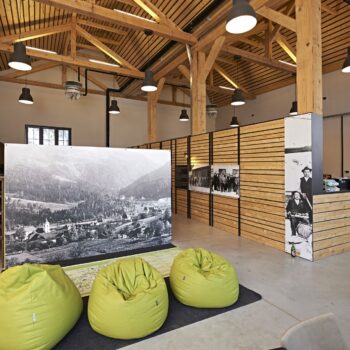
In the early afternoon, the field trip continues with a guided visit of the Lead and Zinc Mine Mežica Museum Collection, one of the key sites of industrial and mining heritage in the region. The visit is complemented by a live blacksmith demonstration at the Geopark Information Centre, where participants can observe traditional forging techniques and gain insight into the historical link between local geology, mining activities, and metalworking craftsmanship.
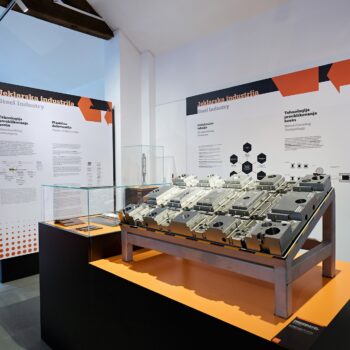
The programme continues with a visit to the Geopark Information Point Castle Ravne in Ravne na Koroškem, where an interactive exhibition introduces the geological development of the Karavanke Mountains, rare local minerals, and the decisive role of geology in shaping the ironmaking tradition of Ravne and the wider region.
The excursion concludes with a return to the accommodation in the late afternoon, followed by a free evening.



A Cultural Journey Through the Karawanken-Karavanke UNESCO Global Geopark
Schedule
- 08:00 – Departure from accommodation
- 09:00 – Visit to the Peršman Museum, Bad Eisenkappel (AT)
- 12:15 – Lunch
- 13:00 – Guided visit of the Lead and Zinc Mine Mežica Museum Collection, including a blacksmith demonstration in the Geopark Information Centre, where participants can observe traditional forging techniques, Mežica (SI)
- 15:00 – Guided tour of the Ironworks Museum Štuharija, Ravne na Koroškem (SI)
- 16:30 – Return to accommodation
Description
This full-day cultural and historical excursion takes participants on a transboundary journey through the Karawanken-Karavanke UNESCO Global Geopark, exploring the close connection between geology, natural resources, and the cultural heritage that has shaped life on both sides of the border.
The excursion begins in Austria with a visit to the Peršman Museum, a significant memorial and cultural site located above Bad Eisenkappel. The museum presents the history of the Slovene minority in Carinthia, the resistance movement during the Second World War, and the tragic events that marked the region. Through personal stories and authentic surroundings, the visit offers insight into the shared and often challenging cross-border history, emphasizing the values of remembrance, cultural identity, and reconciliation.
After lunch, the programme continues in Slovenia with a guided visit to the Lead and Zinc Mine Mežica Museum Collection, one of the most important sites of mining heritage in the Meža Valley. Participants will explore the geological foundations of ore deposits, the historical development of mining, and its profound impact on the economic and social life of the region. The visit is enriched by a live blacksmith demonstration at the Geopark Information Centre.
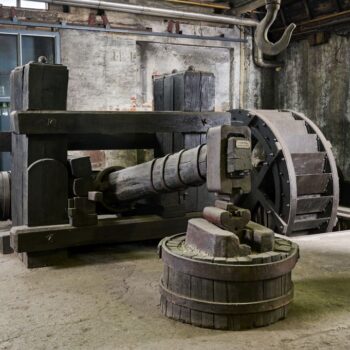
In the afternoon, the field trip concludes with a guided tour of the Ironworks Museum Štuharija. The museum preserves the centuries-old ironmaking tradition of Ravne na Koroškem, showcasing original facilities, tools, and narratives that reflect the technological innovation and social importance of iron production. This final stop clearly demonstrates how natural resources and geological conditions shaped industrial development and local identity in the Meža Valley.
The return to the accommodation follows in the late afternoon, followed by a free evening.